4

New posts

Atebion logo.

Keep up to date on our What’s On page.

Creating Futures Beyond Adversity

What is Atebion?

Atebion (the Welsh word for ‘Solutions’) is a unique not-for-profit grassroots initiative based in North Wales, which has been developed to help people overcome addiction and other forms of adversity in natural community settings, as well as tackle the disconnection in society that is having a negative impact on our social and emotional wellbeing. 

By fostering connection and shared purpose, we will help build stronger and more compassionate communities, where everyone has the opportunity to heal, build resilience, and thrive.

Atebion logo in red.
Atebion logo in orange.

Our Mission

Atebion will empower individuals, families and communities to overcome one of society’s most overlooked problems – disconnection, and the symptoms that arise as a consequence, such as addiction, trauma, and mental health challenges.

Through our Eight Principles of Change (EPOC) Programme, storytelling initiatives and educational resources, we will empower people with lived experience to rewrite their story and become Recovery Advocates who will create hope, understanding, and a sense of belonging.

Guided by our core values of acceptance, trust, creativity, courage and reciprocity, we will support individuals and communities to help discover, connect and mobilise their assets.

The Atebion Strategy

Atebion was founded by Rich Price, a person in long-term recovery from addiction and brought to life through the contributions of our entire team. It was developed in response to the poor recovery outcomes in the mainstream system, and the latter’s failure to adequately tackle problems that lead to addiction and related problems.

Our strategy has been developed in collaboration with Professor David Clark, an internationally recognised recovery advocate and developer of grassroots initiatives. It is based on the experiences of people who have overcome great adversity, as well as the ideas of world-leading experts.

Learn more about the Atebion Model here.

Atebion logo in rainbow colours.

Community Blog Posts

Our blog posts will keep you informed of Atebion’s various activities, our ongoing reflections, and the views of world-leading experts on themes related to overcoming adversity and preventing disconnection.

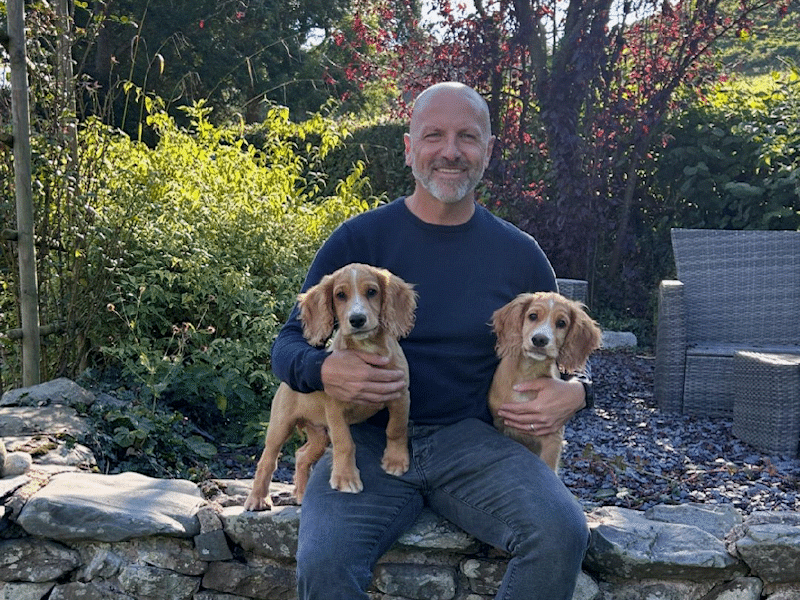
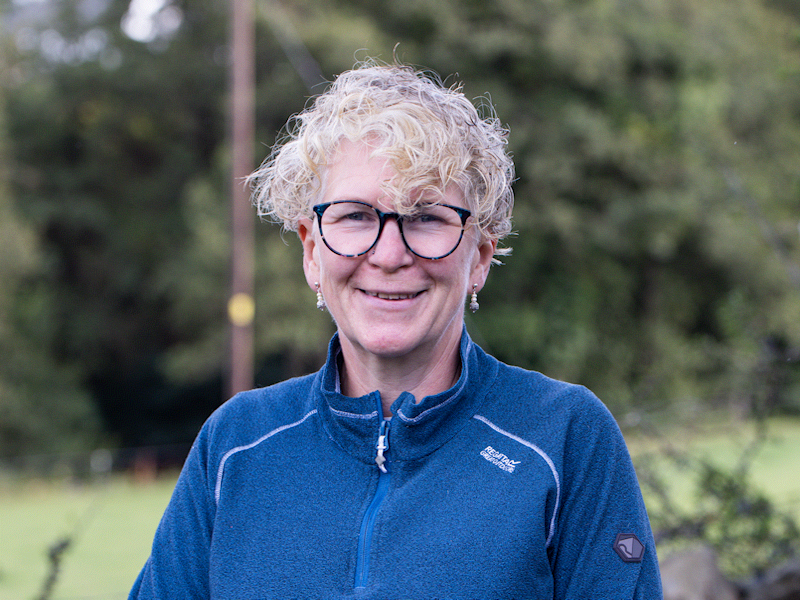
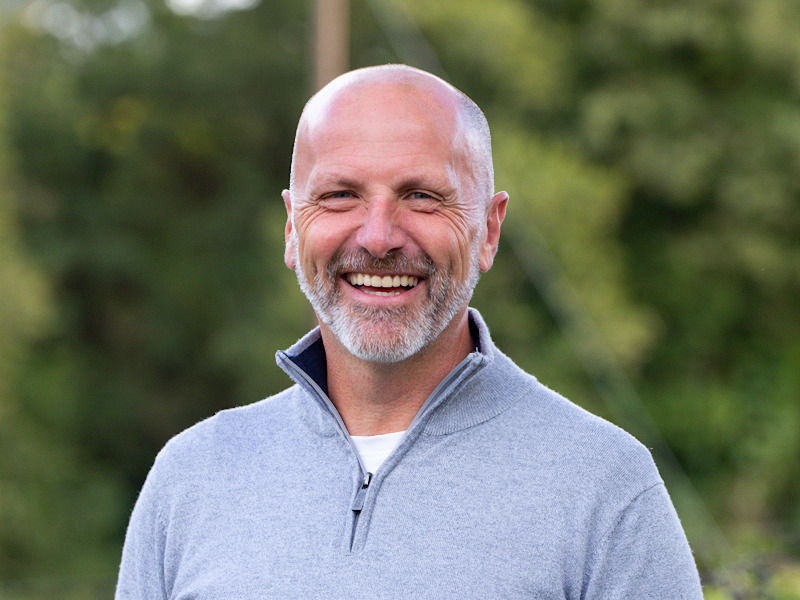
Rich Price, founder of Atebion.

A Vision: Rich Price

The loss of a friend, Phil, who died alone in a temporary bed sit at the hands of addiction, was the straw that broke the camel’s back. It prompted me to find another gear and give up paid employment to pursue the vision I had of empowering individuals to move beyond a state of recovery maintenance …

Read more >
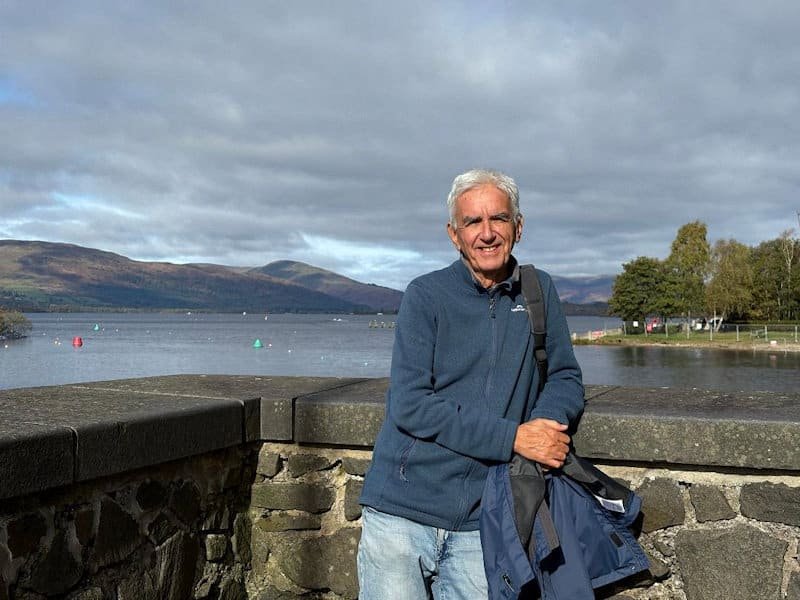
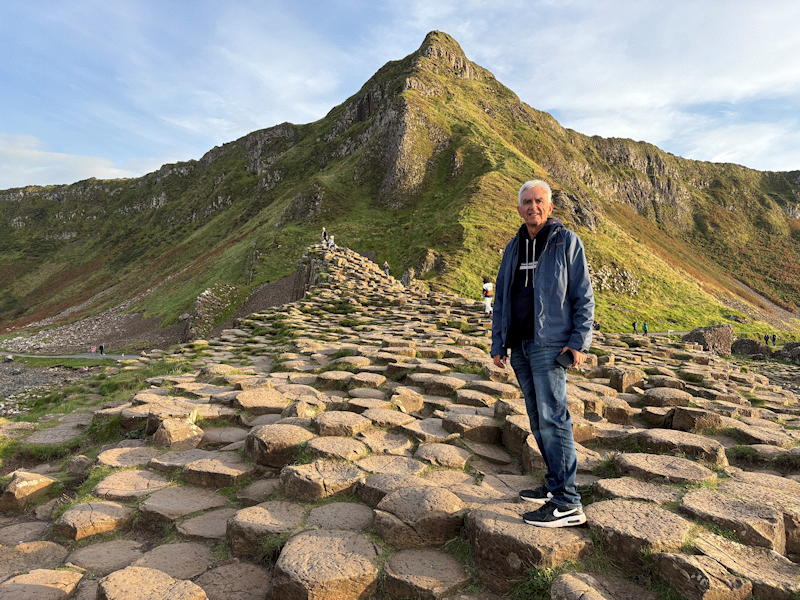
David Clark, Professor Emeritus of Psychology.

Leaving a Legacy: David Clark

I love interacting with people in recovery from addiction, and many have become my close friends. I have a lot of respect for people in recovery, and at times have been in awe. I am amazed at some of the adversities that many people face—not just in their addiction, but also the …

Read more >

Pleased and Proud: Sarah Flynn

At a time when our society is becoming more and more disconnected, we need to strengthen our communities and improve the landscape by nurturing and healing. Connection with others, shared experiences, safety and comfort, are all within our grasp if we are willing to …

Read more >

Personal Stories

“Human beings are storytelling creatures, that’s how we best learn, that’s how we best communicate. So when the storytellers in our society tell their stories, they end up having a powerful impact.”
Dr Bruce D. Perry

The Importance of Stories: David Clark

Stories help us to develop empathy. They allow us to understand another person’s world from their perspective. Stories give us unique access to the inner lives and motivations of others. They contain so much more information than we can convey in the statement of facts.

Read more >

Accessing Treatment: Natalie

You have to realise my state of thinking prior to that first group meeting in the treatment agency. Once I had become addicted to heroin, I did not see that there was any alternative to the life I was living. I didn’t know anyone who had overcome heroin addiction. I had never heard…

Read more >

Recovery Taught Me How to Truly Love: Rich Price

I grew up around alcohol. Drinking was a daily thing for my parents and wider family, who ran bars, pubs, and clubs. I saw the fun, and I saw the damage it caused. Some of my relatives drank themselves to the bitter end, but at such a young age this was overlooked, as these people were my heroes.

Read more >

For more inspirational stories visit our dedicated Stories page or watch the video below …

This powerful conversation portrays Elissa’s story of overcoming addiction, her journey into treatment and the complications she encountered following residential recovery.
Elissa talks openly about the turning point in her life, her experience of family and relationship breakdowns, and her hopes for a brighter future as an advocate with Atebion.

Recovery from Addiction and Trauma: Wise Words

Check out the Prof’s Wise Words section

Bruce Perry: "I think of the most transformative people I have ever known, every single one of them had personal pain and traumatic experience that was a core element of who they became. And it didn’t crush them … Those people tend to have tremendous empathy for others who are struggling and they tend to have wisdom."
Cormac Russell & John McKnight: “History teaches us that all sustainable change happens at the grassroots level and then spreads out from there to create further ripples of change.”
Lewis Mehl-Madrona: “Stories help us develop empathy. They allow us to understand another person’s world from their perspective. Stories give us unique access to the inner lives and motivations of others. They contain so much more information than we can convey in the statement of facts.”
Bessel van der Kolk: “Being able to feel safe with other people is probably the single most important aspect of mental health; safe connections are fundamental to meaningful and satisfying lives.”
Judith Herman: “The core experiences of psychological trauma are disempowerment and disconnection from others. Recovery, therefore, is based upon the empowerment of the survivor and the creation of new connections. Recovery can take place only within the context of relationships; it cannot occur in isolation.”
Bruce Perry: “At the core of sport is this fundamental relational experience that is foundational human health and wellness. And the combination of patterned, repetitive, rhythmic activities in connection with people who see you and care for you and you belong with, those are the essential ingredients of health and wellness.”
Don Coyhis: “... we must actively heal the community and its institutions at the same time an individual works on his or her own healing from alcohol or drugs or other unwell behaviours. The individual affects the community and the community affects the individual.”
William L. White: “The worst scenario would be that we would move into the lives of communities and—rather than help nurture the growth of indigenous supports—replace these natural, reciprocal relationships with ones that are professionalized, hierarchal, and commercialised.”
Bill Stauffer: “We know from an examination of our history that people typically recover in the context of community. It flourishes in environments where individuals feel a sense of belonging and purpose. In spaces of mattering. Places where people can share their gifts of recovery...”