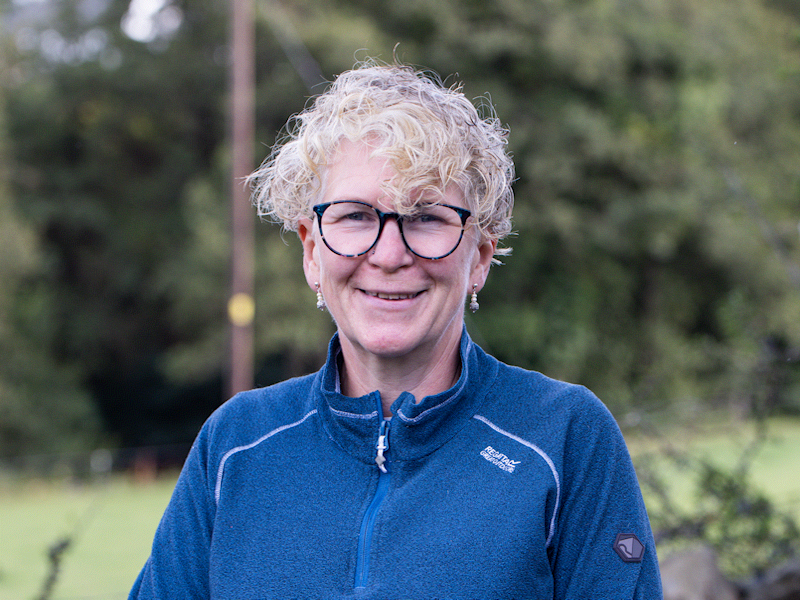
“Finally, I have a home, somewhere that has natural light, where I can open a window and have real plants that need nurturing and watering.”
These are the words of Sam, a friend of mine who we’ve helped to make the transition out of temporary accommodation into her new home. This is the ripple effect of recovery and one of the reasons I do what I do.
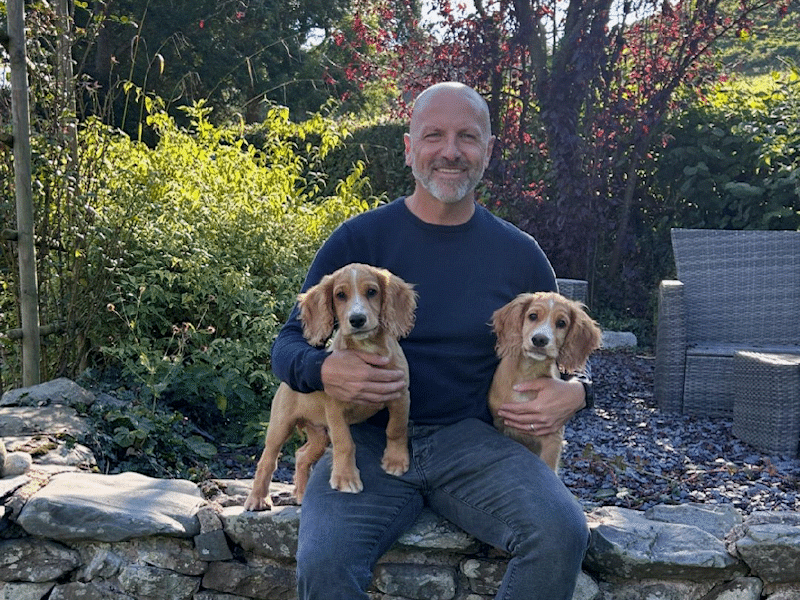
My name is Rich Price and I am the founder of Atebion and the creator of the EPOC programme. I am seven years in recovery, four of which were spent working in various roles within the third sector.
I have witnessed first hand how some of the most wonderful people I have come across go through the torturous process of relapsing time after time. Some of these people are no longer here to tell the story of what led to their demise. Yet, to some of us, it was clear that the support they required, particularly upon leaving a residential recovery setting, was simply not there. They were increasingly let down by misspent funds and a fractured system that left them crawling up the doors of local health care in desperation.
Moreover, for those leaving residential support, future recovery consisted of an attempt to start again in a disconnected environment that had heavily contributed to their adverse lifestyle and addiction.
The loss of a friend, Phil, who died alone in a temporary bedsit at the hands of addiction, was the straw that broke the camel’s back. It prompted me to find another gear and give up paid employment to pursue the vision I had of empowering individuals to move beyond a state of recovery maintenance, and build on the many skills, abilities and talents they possessed in order to create the wonderful life they so deserved, beyond the adversity they had experienced, in the hope they would reciprocate with others.
Throughout my life, I have been fortunate to experience a rags to riches to rags existence, something which inevitably involved rubbing shoulders with some wonderful characters who had overcome many forms of adversity to become successful in their own right.
One of the great things about recovery is that it allows time to reflect on these interactions and, whilst I have always believed there is no mandatory route to success, these reflections, coupled with what I was experiencing within the world of recovery, sparked a renewed understanding that there was a genuine need to look at individuals in recovery on an individual basis. Then, identify what magic they held within them, and what assets they could build on.
I knew from the offset that this was the way forward, albeit a far cry from current treatment models which look at providing a quick fix and an unrealistic expectation that post-treatment “everything should be just fine”. More worryingly, if that person receiving the treatment relapsed again, they were held responsible for their actions because “they just didn’t try hard enough”.
This had to change, and I knew change had to come through action and not by joining the bandwagon of finger pointers …
As a result of a book I was writing, the EPOC programme was born. What started as an autobiography and an attempt to get my life down on paper, was developing into a self-help book, something I wanted to avoid. However, what became apparent was that I and many others had adopted a way of living that involved utilising a set of important principles, either consciously or subconsciously.
I discussed the ideas I had with a long-standing friend, Sarah Flynn and, together with Graeme Dudding and Cheryl Williams, we set about developing Atebion, and merging our visions for change. However, there was a missing link.
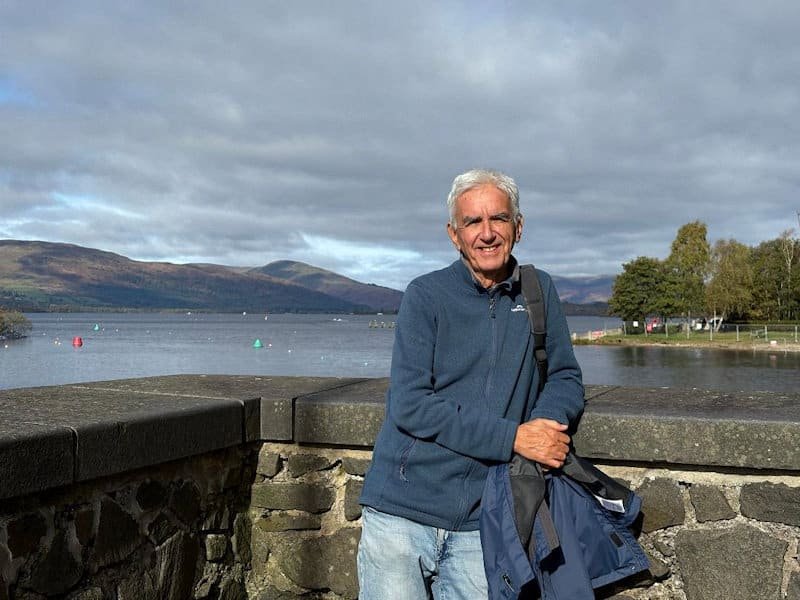
Sarah suggested I contact Professor David Clark, as she was convinced he would like to at least hear more about our plans. With some trepidation I sent the email. I knew of David, and some of the work he was doing in the field of addiction and recovery, but I was naïve to the extent of his experience. We arranged a call during which I outlined our intentions with a request for David to come on board in an official capacity. To my amazement, he agreed.
We immediately set to work. David ‘crowded’ my inbox every single morning, and each email contained not just a wealth of documents, but information that would help to reinforce my beliefs whilst also reshaping some of my thoughts about the causes and effects of addiction, trauma, and mental health problems.
We spent hours on Zoom, multiple times per week, talking business as well as sharing stories about our lives, and our loves. It became evident that David was not just going to offer a title to Atebion, but also invaluable experience and unrivalled passion.
Together with a wonderful group of Atebion Advocates and the connections we have made with like-minded organisations, we aim to combine our wisdom to stride forward and empower individuals, families and communities to thrive and succeed.
As I write this article, The Prof is currently sat opposite me at the kitchen table, in a beautiful home I share with my wonderful wife. A stark contrast to seven years ago where I sat homeless and broke with nothing more than hope and a poor man’s vision.
Then again, I guess sometimes all you need in life is a vision, friendship, strong principles, and the love of a group of understanding people.